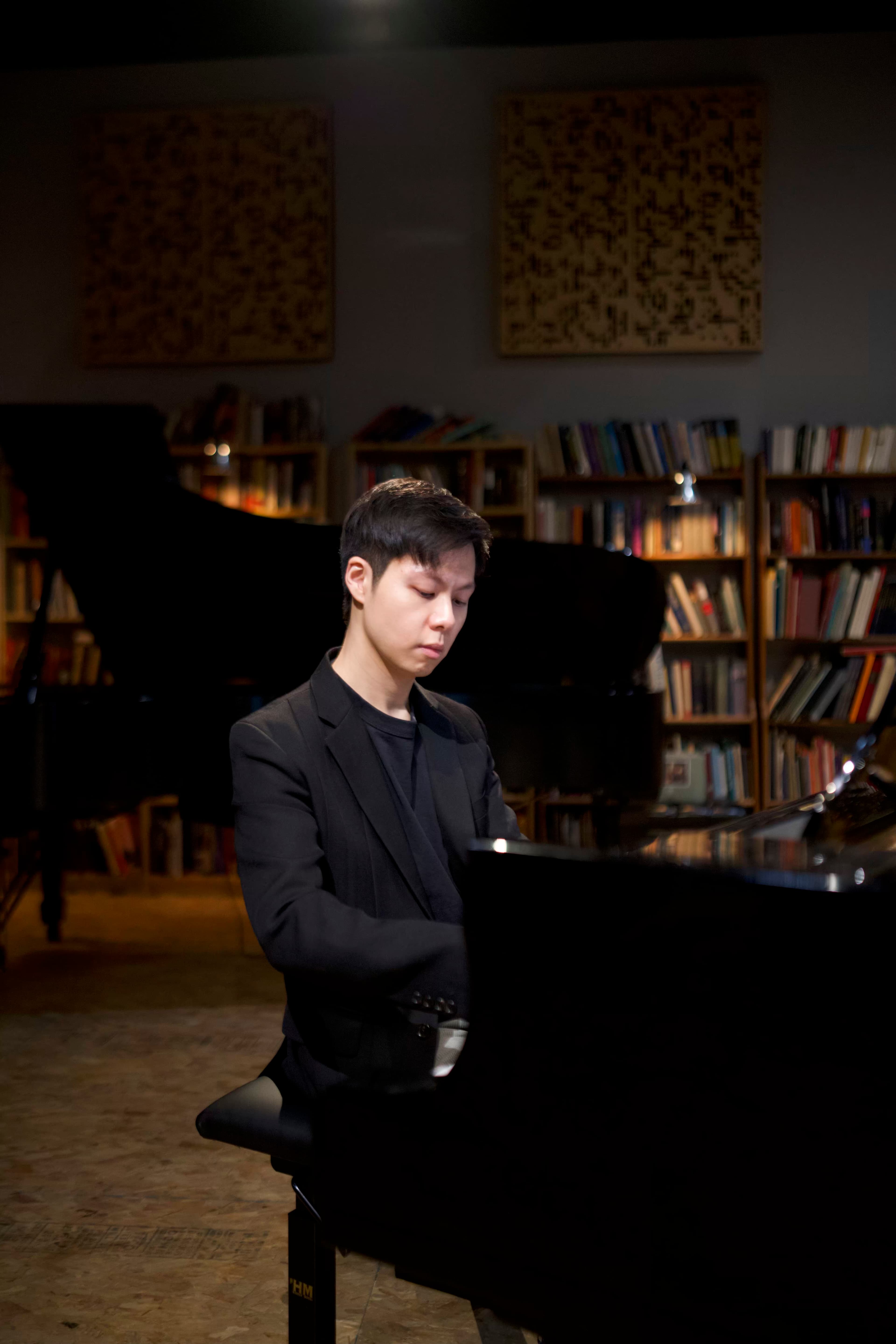
I am honored to announce that my recording of Anton Rubinstein's Piano Sonatas Nos. 3 and 4, released on Naxos Records in May 2026, has been submitted for GRAMMY® consideration in the Best Classical Instrumental Solo category. This submission represents a milestone in my ongoing advocacy for Rubinstein's piano music and an opportunity to bring greater recognition to one of the most influential yet still underappreciated figures in nineteenth-century musical life.
Recording Details
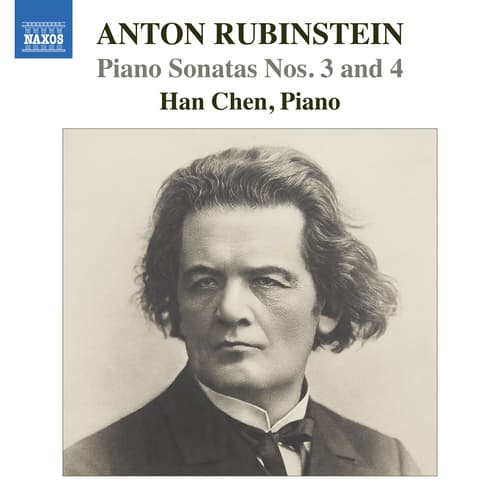
GRAMMY® For Your Consideration — Han Chen's Anton Rubinstein Piano Sonatas Nos. 3 and 4 on Naxos Records
GRAMMY® For Your Consideration Campaign
In the months leading up to the nomination deadline, eligible recordings are shared with Recording Academy voting members through what the industry calls a For Your Consideration (FYC) campaign — promotional materials, sent directly to peers, that invite them to listen and weigh the recording on its artistic merits during first-round voting. The images below offer a glimpse into the studio sessions that brought Rubinstein's expansive sonatas to life on record.
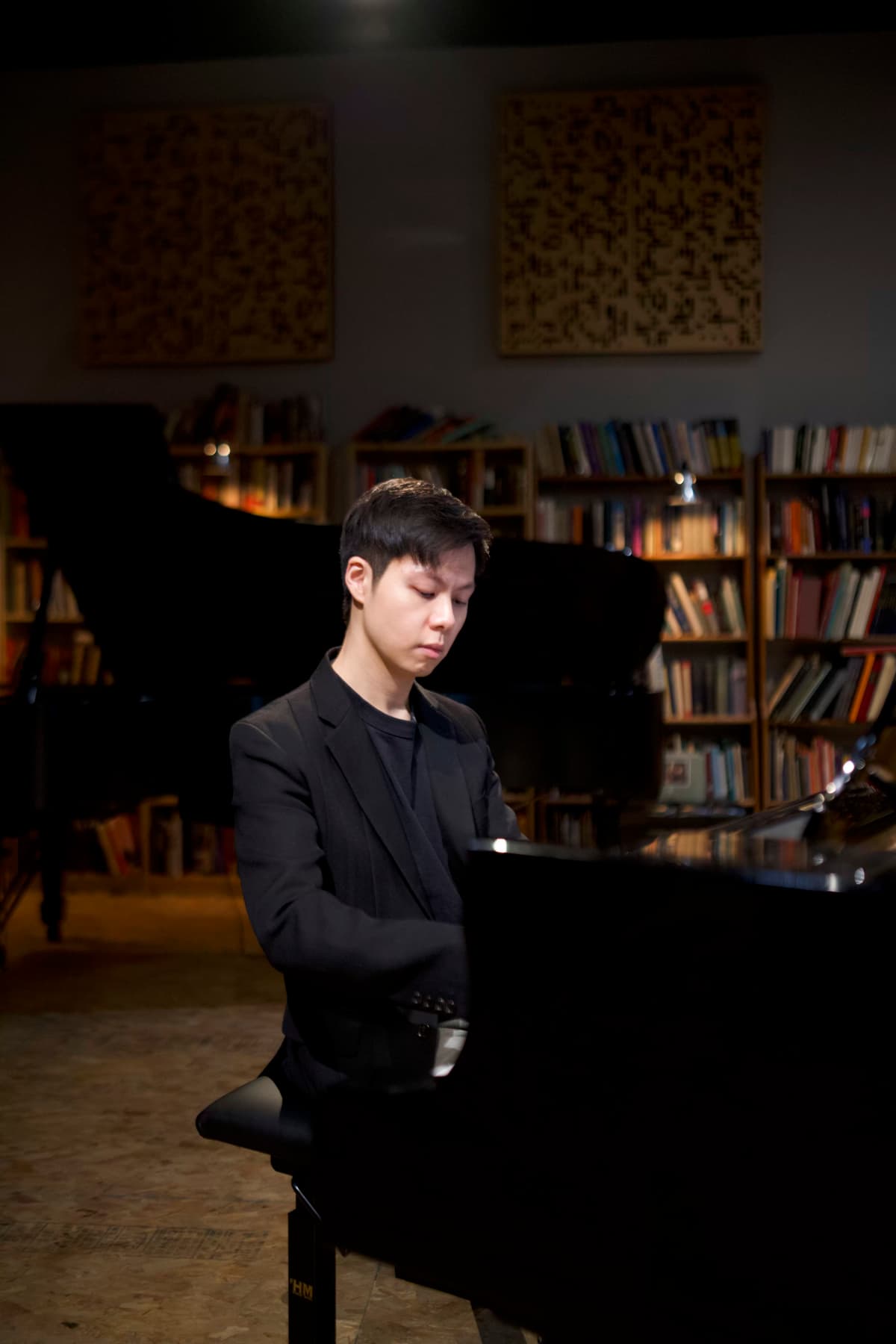
GRAMMY® FYC Campaign — Han Chen during the Anton Rubinstein Piano Sonatas Nos. 3 and 4 recording sessions

GRAMMY® FYC Campaign — Han Chen with producer and engineer Ryan Streber during the Rubinstein sonatas recording
The Significance of Anton Rubinstein
Anton Rubinstein (1829-1894) stood at the heart of Russian musical life for nearly half a century. As a virtuoso pianist often compared to Liszt, a prolific composer, and the founder of the Saint Petersburg Conservatory, he had a profound influence on generations of Russian musicians — including Pyotr Ilyich Tchaikovsky, his most celebrated pupil. Yet despite his central role in shaping Russian musical culture, Rubinstein's compositions have remained unjustly neglected in the concert hall and on recordings.
His piano sonatas reveal a composer intent on uniting intellect and passion within a symphonic conception of the keyboard. With its heroic, noble themes, the Third Piano Sonata was Rubinstein's own favourite of the set. The final Piano Sonata No. 4 represents the composer at the height of his creative command, pouring a lifetime of emotions into a single piece and distilling the paradoxical tensions between intellect and impulse, Germanic structure and Russian ardour.
This recording completes my survey of Rubinstein's four major piano sonatas for Naxos Records, following my acclaimed 2020 release of Piano Sonatas Nos. 1 and 2. Together, these albums represent a comprehensive portrait of a composer whose music deserves a permanent place in the piano repertoire.
Exceptional Critical Acclaim
Since its release, this recording has received exceptional critical praise from leading classical music publications worldwide. The unanimous acclaim from international critics underscores both the artistic merit of the performances and the enduring power of Rubinstein's compositional voice.
International Press Reviews
Classical Music Sentinel praised how "pianist Han Chen digs deep below the music's agitated and hyper-romantic surface and manages to extract its finer poetic details, buried under the flurry of notes in the thick of which he sails through without a hint of technical challenge," highlighting the emotional depth and technical mastery of the interpretation.
Pizzicato magazine celebrated these as "lebhafte Rubinstein-Interpretationen" (lively Rubinstein interpretations), recognizing the vitality and stylistic understanding brought to this historically significant repertoire.
International Piano, Stretto, and Crescendo have each published enthusiastic reviews of the album, affirming the recording's ability to reveal the full scope and beauty of Rubinstein's sonata writing.
These reviews underscore the technical and interpretive challenges of Rubinstein's sonatas, which demand both virtuosic pianism and deep understanding of the Romantic tradition that informs the works. The Third Sonata's heroic grandeur and the Fourth Sonata's synthesis of structural rigor and Russian emotional intensity showcase Rubinstein's sophisticated compositional voice at its most compelling.
The GRAMMY® Submission: A Case for Recognition
This GRAMMY® submission represents several compelling factors that distinguish this recording in the Best Classical Instrumental Solo category:
Historical Importance
This recording contributes to the essential work of expanding the classical canon to include composers whose music has been historically overlooked. Rubinstein's piano sonatas deserve recognition not as curiosities but as masterworks that stand alongside the great sonatas of Schumann, Liszt, and Brahms.
Artistic Merit
The recording demonstrates the highest standards of musical interpretation and technical execution. Having now recorded all four of Rubinstein's major piano sonatas, I have developed a deep understanding of his compositional language — the way he balances symphonic scale with intimate lyricism, and Germanic formal rigor with unmistakably Russian warmth.
Repertory Advocacy
By completing the Rubinstein sonata cycle on Naxos Records' globally distributed label, this recording serves the broader mission of diversifying classical music programming and introducing new generations to a composer who shaped the course of Russian music.
Technical Excellence
Working with producer and engineer Ryan Streber, this album benefits from world-class production values that capture both the thunderous virtuosity of Rubinstein's most dramatic passages and the delicate poetry of his lyrical writing.
Personal Reflection on Rubinstein's Music
Recording Rubinstein's complete piano sonatas has been one of the most rewarding projects of my career. His music speaks with a voice that is at once deeply Romantic and distinctly Russian — grand in conception, rich in melody, and uncompromising in its technical demands. As a pianist committed to expanding the repertoire beyond the standard canon, I feel a deep responsibility to present Rubinstein's music with the same care and attention we give to the established masterworks.
Rubinstein's sonatas are not merely historically significant; they are genuinely beautiful music that deserves to be heard and celebrated. His melodic gift, harmonic sophistication, and structural mastery place him among the finest composer-pianists of the nineteenth century. The fact that his music has been overshadowed by his fame as a performer and pedagogue makes our current efforts to champion his compositions all the more important.
Looking Forward
Regardless of the GRAMMY® outcome, I am committed to continuing my advocacy for Rubinstein's music in both recordings and live performances. This album is part of a larger effort within classical music to expand our understanding of what constitutes the repertoire and to ensure that future generations have access to the full richness of our musical heritage.
I am grateful to Naxos Records for their continued support of this project, to Ryan Streber for his artistry behind the recording console, and to all the critics and listeners who have embraced this album. Most importantly, I am honored to serve as an advocate for Anton Rubinstein's extraordinary musical legacy.
GRAMMY® voting is conducted by Recording Academy members, and I am proud to participate in this peer-recognition process as a voting member of the Recording Academy.
As we await the nomination announcements, I encourage classical music lovers to discover Rubinstein's remarkable body of piano music. His sonatas deserve not just historical recognition but active performance and recording. In championing these works, we honor not only a great composer but also the ongoing work of making classical music truly representative of all the voices that have contributed to its rich tapestry.